Description
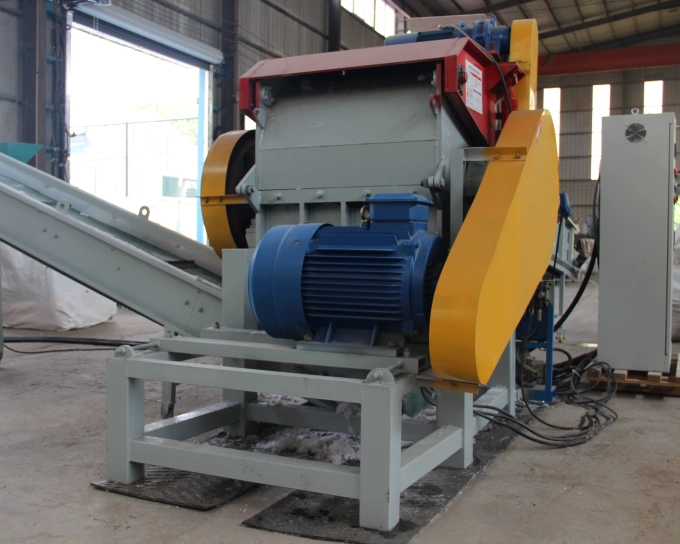
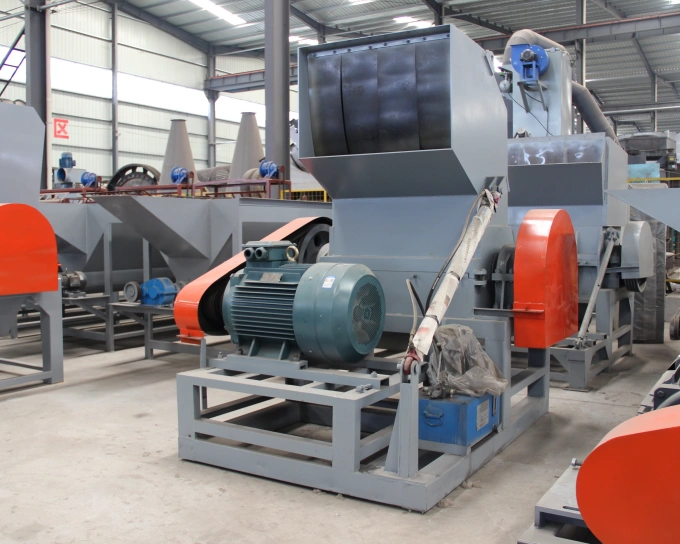
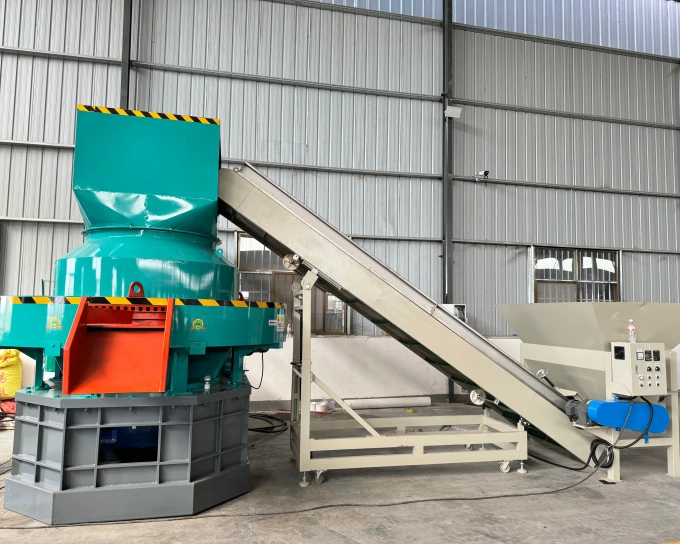
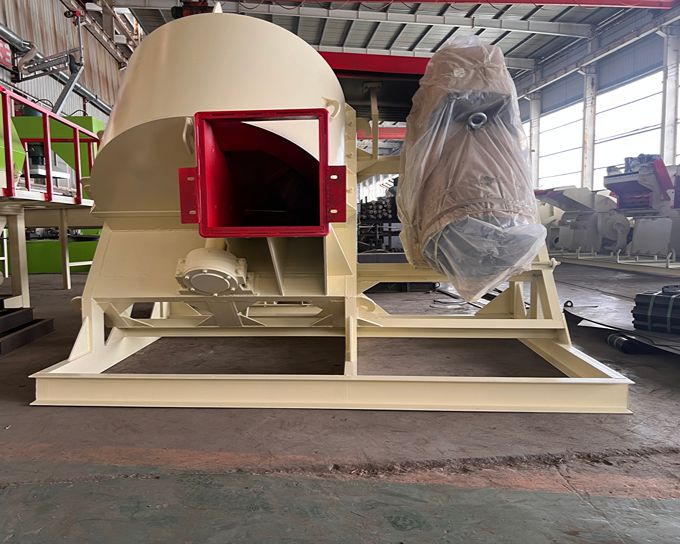
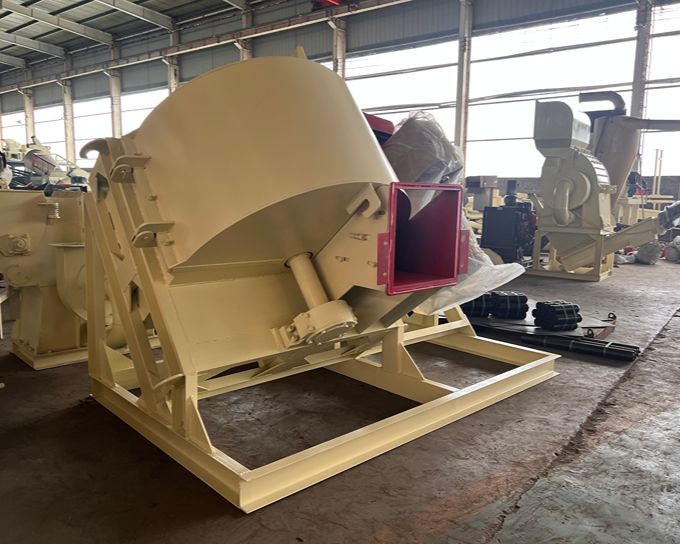
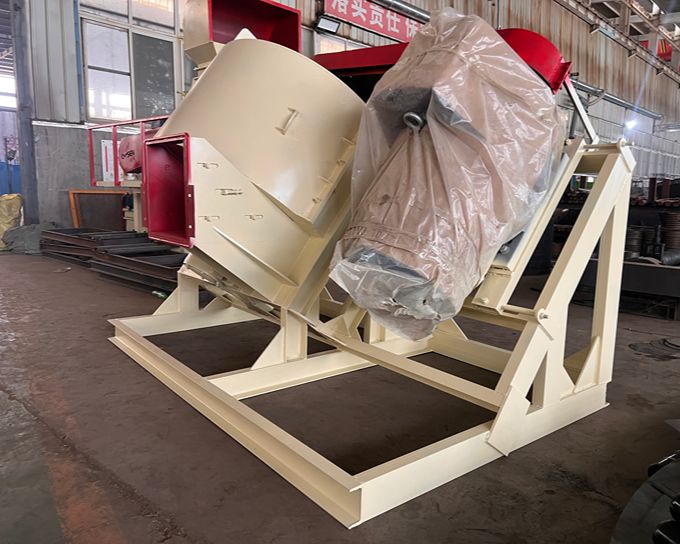
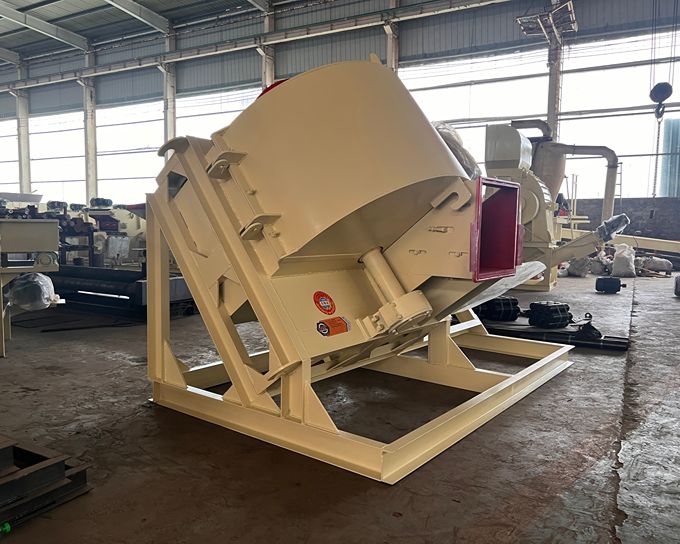
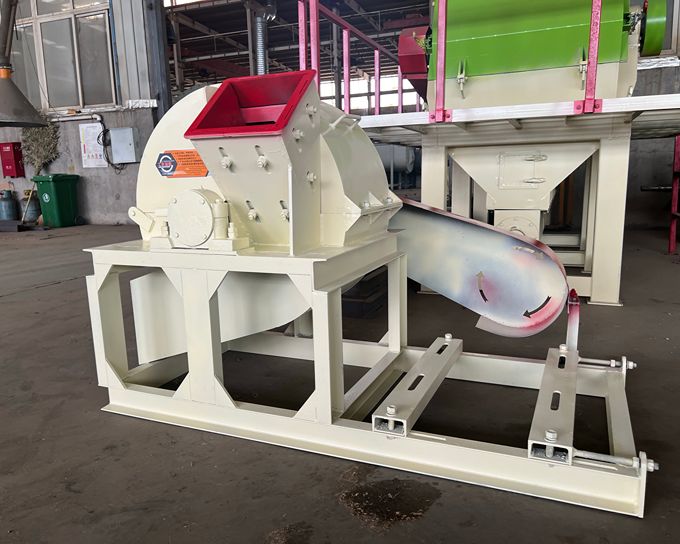
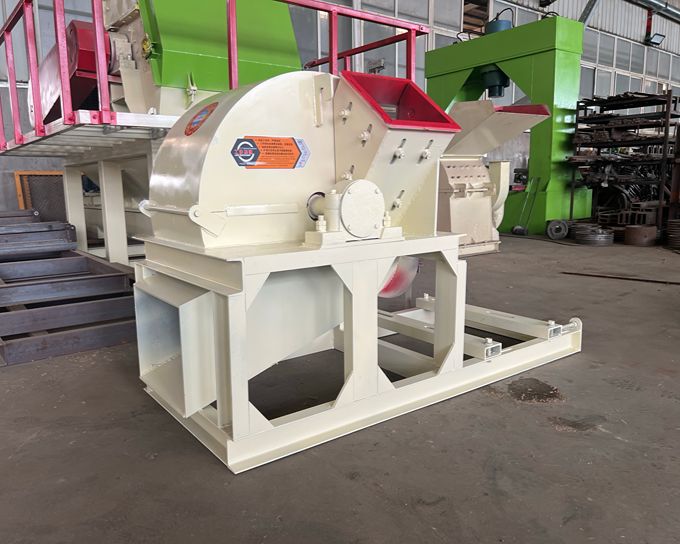
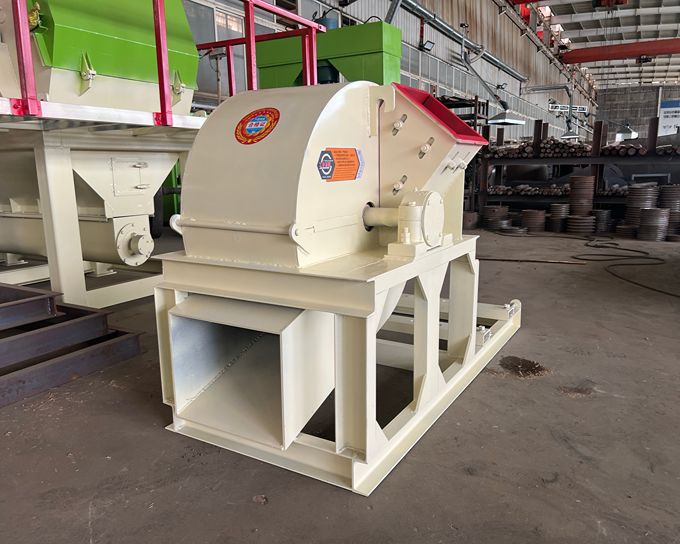
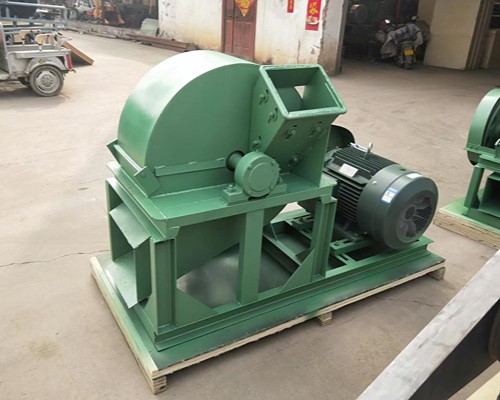
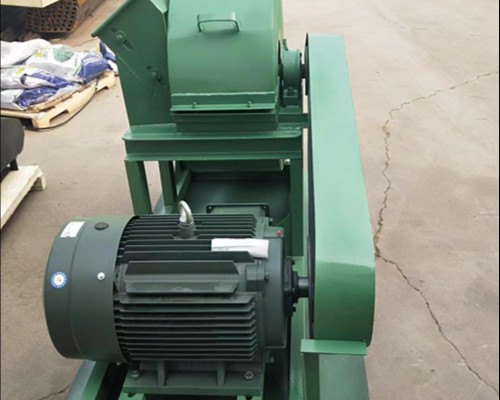
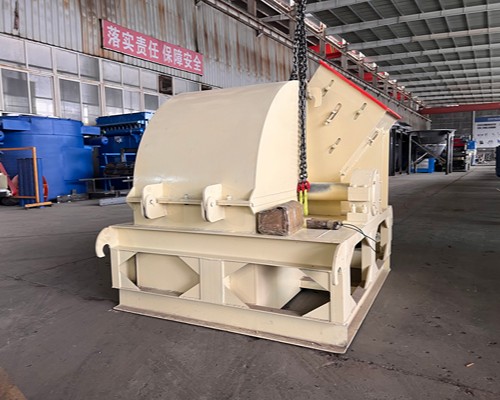
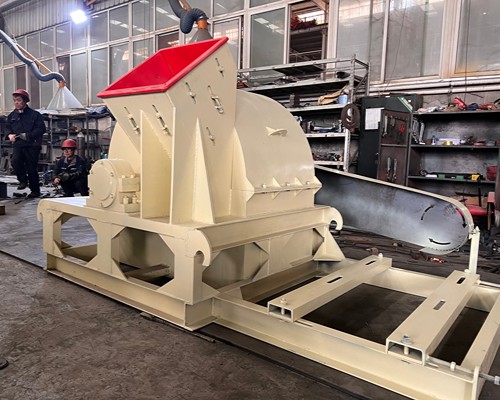
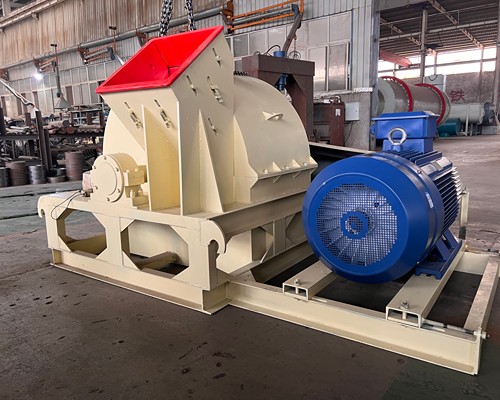
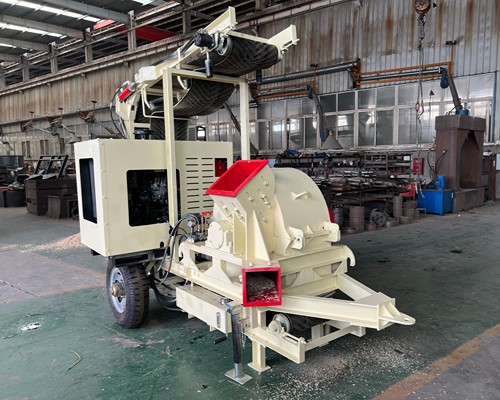
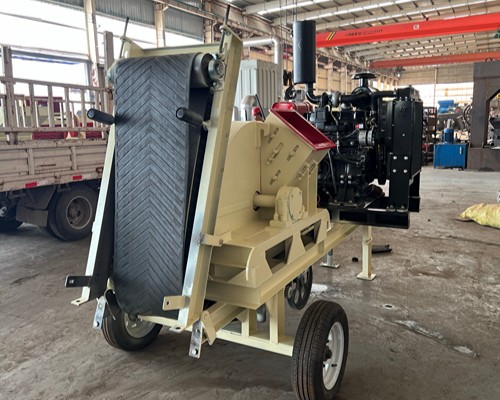
The mushroom log chipper is a specialized grinding machine for edible mushroom cultivation, developed from a disc-type chipper. It utilizes high-speed alloy cutting discs combined with secondary grinding via airflow impact to process logs, branches, and wood into qualified wood chips in a single pass. It serves as the core material-processing machinery for mushroom log factories and edible mushroom cultivation bases.
Working Principle
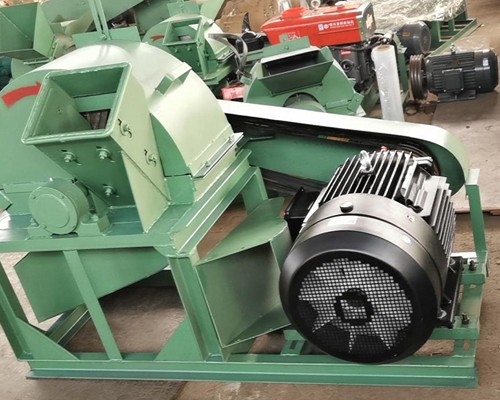
The motor drives the rotor to rotate at high speed. The blades first cut the wood, and the material is then crushed within the crushing chamber through the combined effects of impact, friction, and airflow. By replacing the screen with different mesh sizes, the particle size of the output can be controlled. Wood chips that meet the specifications are discharged through the outlet via airflow, while coarse material is automatically returned to the chamber for secondary crushing.
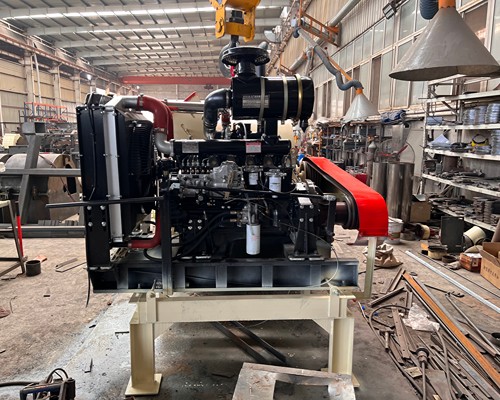
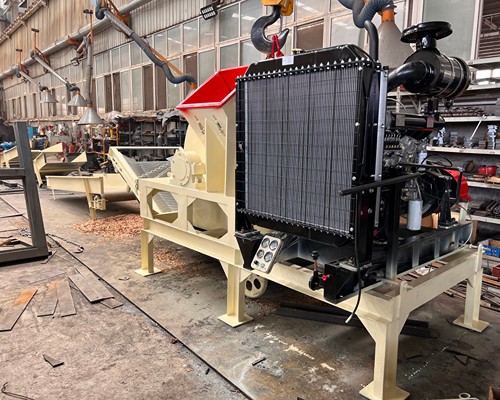
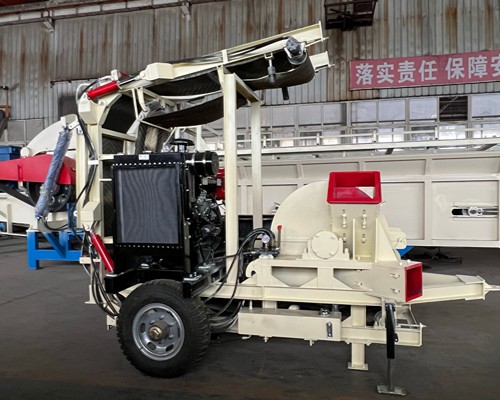
The machine is divided into two main categories: stationary (electric motor) and mobile (dual-power: electric motor/diesel engine, equipped with travel wheels). The mainstream models range from the 400 to 1300 series, with hourly production capacities ranging from 0.6 to 10 metric tons.
Product Feature
- Output Quality Optimized for Mushroom Growth (Key Highlight) The ground wood chips are smooth with no sharp, hard particles, preventing damage to mushroom bags. The particles are uniform in size with moderate porosity, offering excellent air permeability and water retention, which enhances mycelium germination speed and survival rate. Three particle sizes—coarse, medium, and fine—can be freely adjusted to meet the substrate requirements of different mushroom varieties.
- Simple Structure and Low Operating Costs: The machine features a compact design with a small footprint, allowing it to be installed in standard mushroom cultivation sheds or simple workshops. The alloy blades are reversible for double-sided use, offering high wear resistance and durability. Disassembly, sharpening, and screen replacement can be completed in just ten minutes, ensuring low failure rates and simple maintenance.
- Low energy consumption and high processing efficiency. Single-pass feeding achieves one-step forming, eliminating the need for secondary crushing; for the same output volume, power consumption is lower than that of ordinary wood shredders. Small- and medium-sized models can operate stably with 7.5–22 kW motors, offering efficiency dozens of times higher than manual crushing.
- Flexible power options suitable for various locations: Choose the copper-wired motor model for areas with electricity; for mountainous or remote areas without grid power, select the mobile diesel-powered model, which enables mobile wood recycling and processing operations.
- Highly versatile, one machine with multiple uses: Not limited to mushroom log processing, it can crush agricultural and forestry waste, achieving high material utilization and turning waste into a valuable resource.
Suitable Materials
Core Raw Materials (Preferred for Edible Mushroom Cultivation)
Broadleaf logs such as oak, birch, elm, and poplar; branches; tree roots; wood shavings and offcuts from lumber mills; and waste mushroom log material.
Supplementary Materials
Corn cobs, crop straw, rice husks, tree branches, bark, bamboo strips, rattan strips, and dead branches from landscaping trimmings, used to adjust the composition of the mushroom substrate.
Applicable Industries & Use Cases
Edible Mushroom Cultivation Industry (Primary Use)
- Coarse particles (15–30 mm): Main ingredient for shiitake, black fungus, and hairy black fungus spawn bags; the substrate has large pores, providing ample oxygen supply
- Medium particles (5–15 mm): General-purpose substrate for the vast majority of common edible mushrooms, such as oyster mushrooms, enoki mushrooms, and lion’s mane mushrooms
- Fine wood chips (1–5 mm): Used as a supplementary ingredient in the precise cultivation of high-end edible mushrooms such as king oyster mushrooms, enoki mushrooms, and white button mushrooms
Other Related Industries
- Biomass Processing: Producing biomass pellets, compressed fuel briquettes, and raw materials for manufactured charcoal from wood chips;
- Organic Fertilizer Processing: Producing organic humus by grinding and fermenting dead branches from landscaping and agricultural and forestry waste;
- Panel Industry: Pretreatment of raw materials for the production of particleboard, medium-density fiberboard (MDF), and sawdust board;
- Feed Processing: Wood fiber and straw are ground to serve as bedding for livestock and poultry and as a carrier for fermented feed.
Model Specifications
| Model | Power(KW) | Drive Type | OutputT/H | Final Particle Size | Number of Blades | Discharge Method |
| 420 | 7.5/11 | Electric motor or diesel engine | 0.5~1 | Φ2–50 mmScreen meshes with various aperture sizes are available upon request; the final particle size depends on the screen aperture size. | 4 | Side Discharge / Bottom Discharge |
| 500 | 22 | 0.8~1.5 | 4 | |||
| 700 | 30/37 | 1.5~2 | 6 | |||
| 800 | 37/45 | 2~2.5 | 6 | Bottom Discharge | ||
| 900 | 45/55 | 2.5~3 | 8 | |||
| 1000 | 55/75 | 3~5 | 8 | |||
| 1200 | 110/132 | 6~8 | 8 | |||
| 1500 | 132/160 | 8~12 | 8 | |||
| 1800 | 160/185 | 10~15 | 8 |